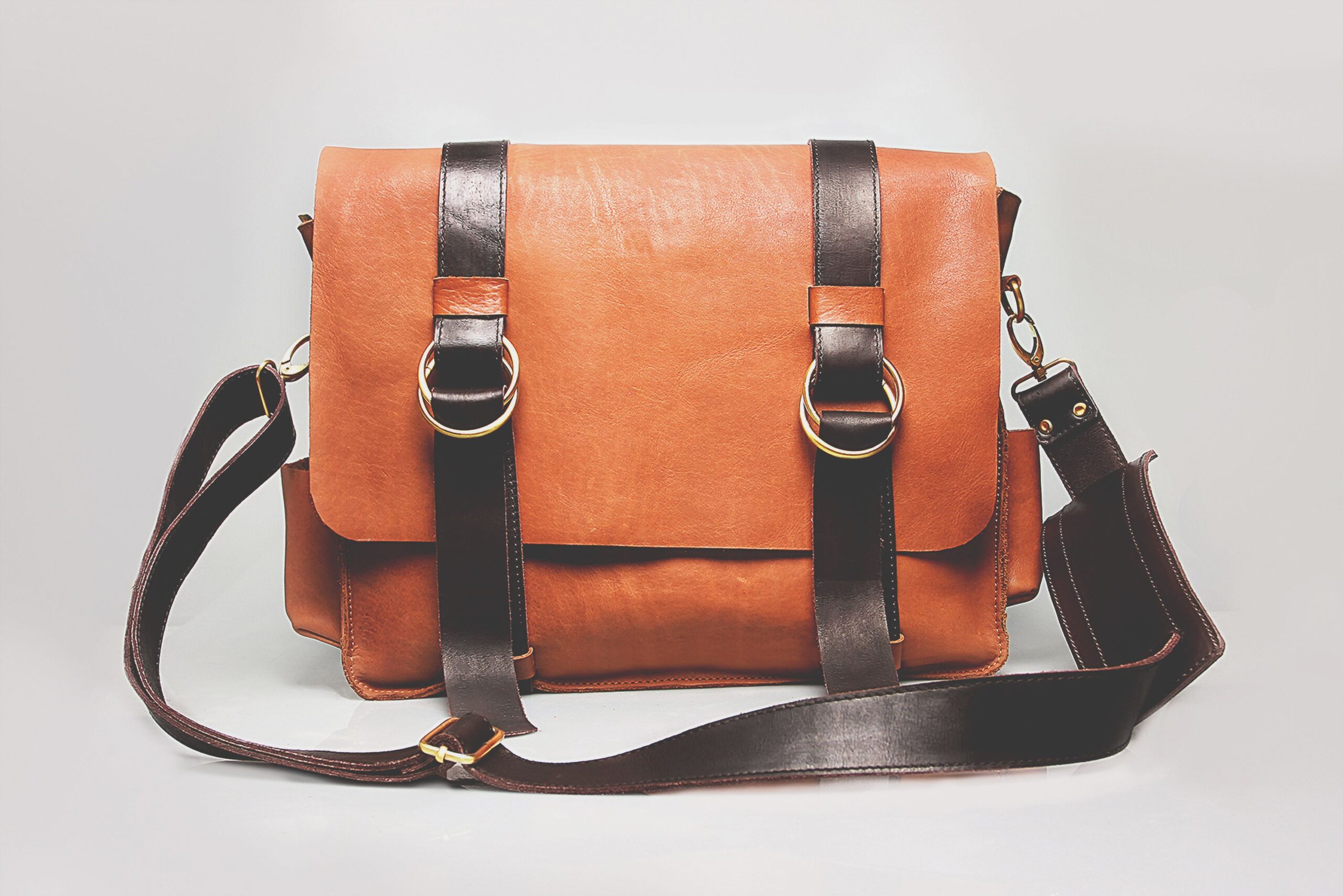
Mulberry is the biggest name on this list by manufacturing scale, and arguably the most recognisable British leather brand internationally. It’s also the one whose recent history is worth knowing before you buy — not because the bags have gotten worse, but because the business behind them has had a genuinely rocky few years.
From a Kitchen Table to Britain’s Largest Leather Manufacturer
Roger Saul founded Mulberry in 1971 with £500 borrowed from his mother, making belts and chokers around the family kitchen table in Somerset. His sister designed the tree logo, and the name itself comes from the mulberry trees Saul walked past on his way to school — about as unpretentious an origin story as this list has. Production outgrew the kitchen table quickly enough that the family opened a proper factory in Chilcompton, Somerset, in 1973. Mulberry now describes itself as the UK’s largest manufacturer of leather goods, with roughly 600 craftspeople working across two Somerset factories.
Worth being precise about that claim, though: only around half of Mulberry’s bags are actually made in those Somerset factories. The rest come from elsewhere in its supply chain — a more diluted “Made in England” story than Tusting’s fully in-house model, though still a considerably stronger UK manufacturing footprint than most brands trading on British heritage.
The Men’s Range
Mulberry’s reputation was built on womenswear — the Bayswater and Alexa are the bags most people picture — but the men’s line covers the same ground as everything else on this list: messenger bags, document cases, briefcases, holdalls, backpacks, and wash bags, mostly in full-grain and grained leathers. Prices for men’s bags generally start around £400–£500 and climb from there, putting Mulberry in similar territory to Aspinal rather than the more expensive end of Bennett Winch or Tusting.
A Brand That’s Been Through It
Mulberry Group is publicly listed, and its recent results are a genuine turnaround story rather than a smooth ride: the company posted a pre-tax loss of £32.2m for the year to March 2025, narrowed to an £8.9m loss for the year to March 2026, with revenue growth accelerating and gross margin improving over that period. A £20m convertible loan from its two largest shareholders has helped shore up its position along the way. None of that affects the bag on the shelf today, but it’s relevant if you’re weighing long-term brand stability, resale value, or how seriously to take a Mulberry sample sale — a business under this kind of pressure has real incentive to move stock.
What to Look At
For men the place to start is the Antony — the buckled messenger that’s been in the line for two decades, currently running from around £545 for the small up to £795 depending on size and leather. It’s Mulberry’s most functional men’s design: webbing shoulder strap, buckled flap over a zip, and the classic grain leather that takes scuffs without drama. Two things to check before buying: where the specific bag is made — Mulberry manufactures around half its output at its Somerset factories, but not everything, and the label inside will tell you — and the hardware plating, which is where cost-saving shows first on a brand at this price point. Buy the classic grain over anything coated if ageing matters to you.
The Verdict
The craft case for Mulberry holds up — genuine UK manufacturing scale, full-grain leather, and a design language people actually recognise. The business case is murkier than Tusting’s or Bennett Winch’s steadier footing, though the trend is currently pointing the right way. If you’re buying for the bag itself, that’s a secondary concern; if you’re buying partly as an investment piece, it’s worth factoring in.
1 thought on “Mulberry: Brand Profile”