Tusting Wymington: In-Depth Review
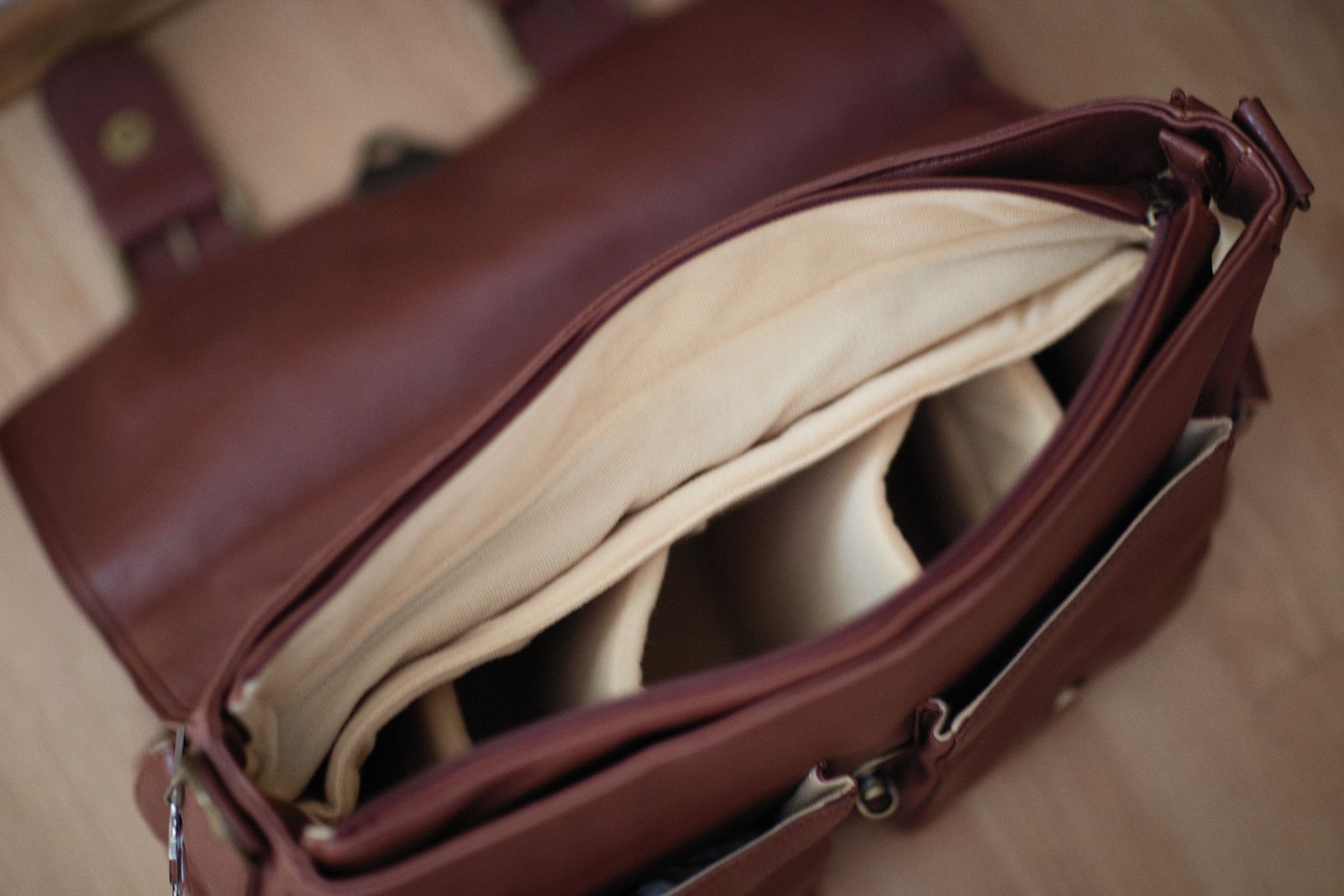
A closer look at Tusting’s flagship business briefcase — the satchel-style construction, the leather choices, and where it actually sits against Bennett Winch.
A closer look at Tusting’s flagship business briefcase — the satchel-style construction, the leather choices, and where it actually sits against Bennett Winch.
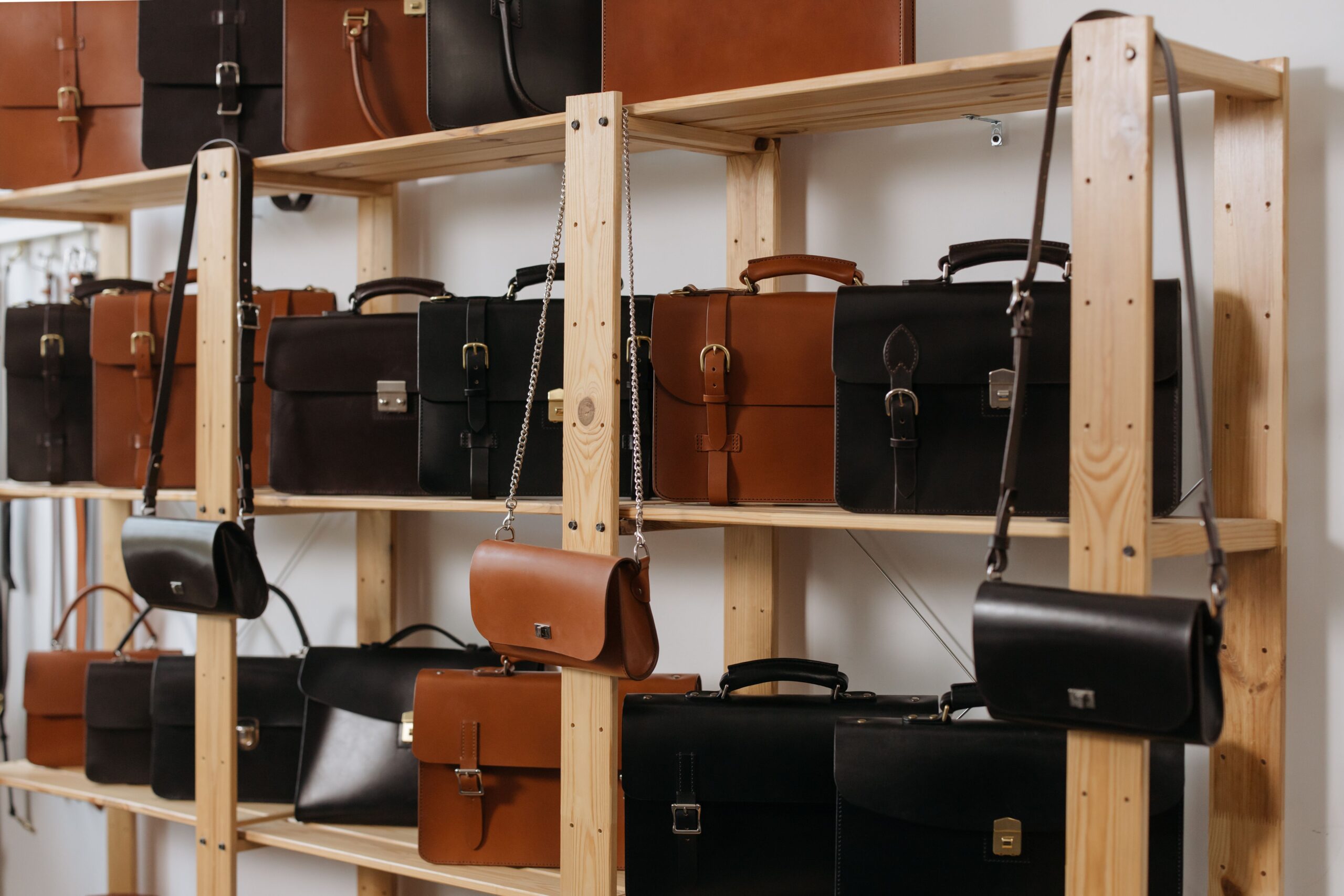
Both British, both genuinely well-made, both priced in similar territory. The real difference between Bennett Winch and Tusting isn’t quality — it’s which life you’re buying for.
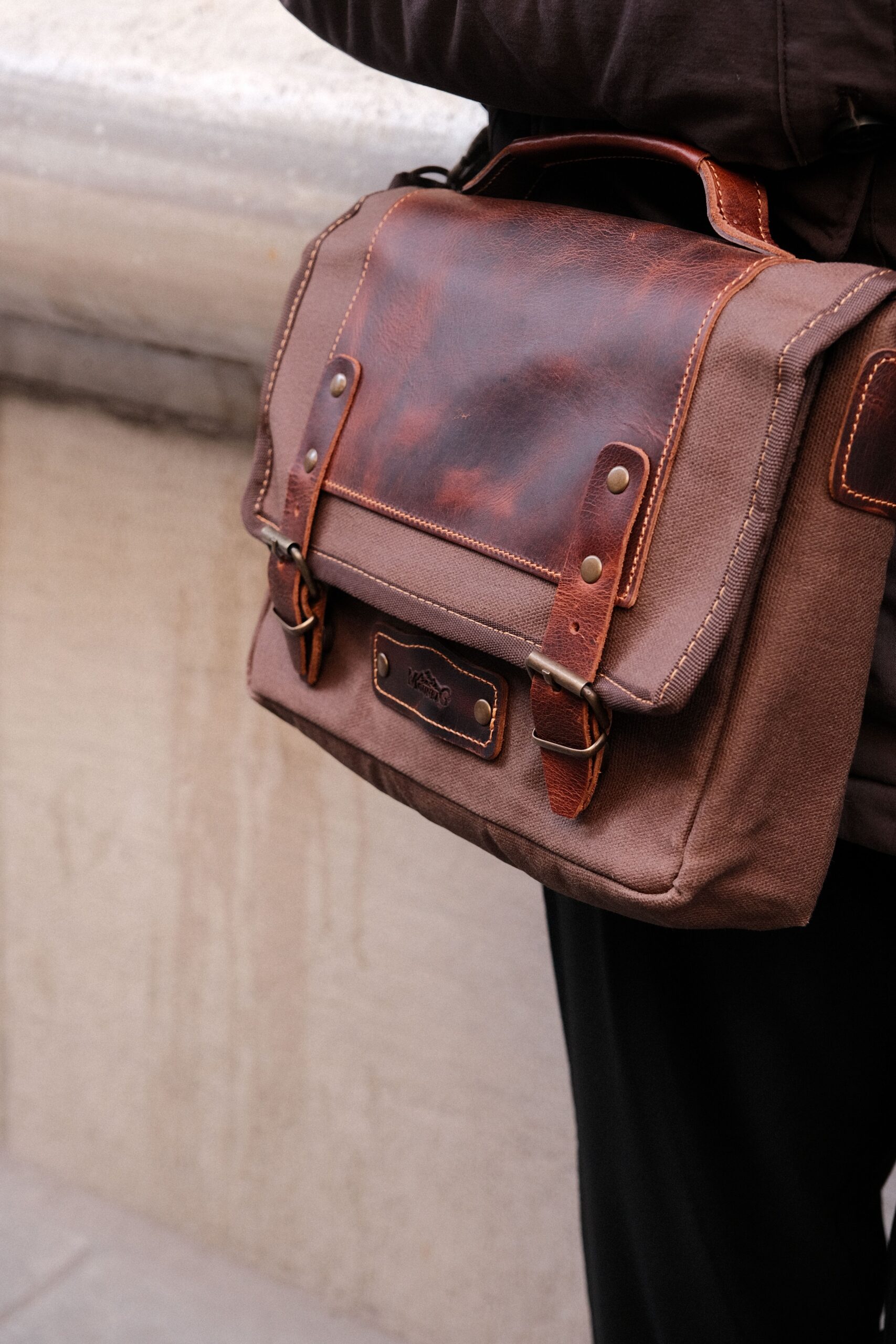
Chapman started making fishing and shooting bags on a kitchen table in Cumbria in 1984, after Barbour moved its bag production overseas. It’s since become the most accessible genuinely-made-in-Britain brand on this list.
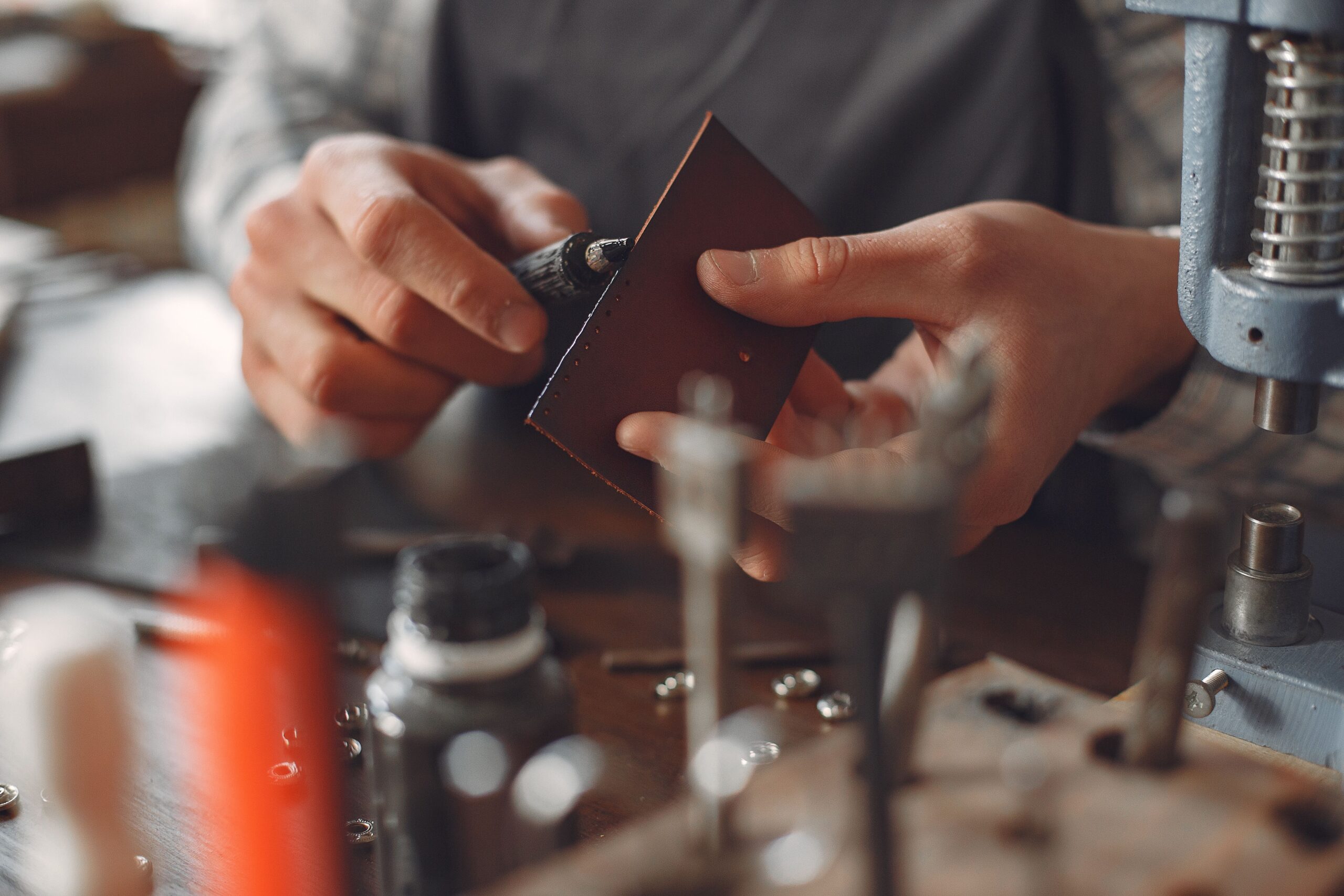
Swaine has been making things by hand in London since 1750, starting with hunting whips rather than bags. It’s also the most expensive brand on this list by a wide margin — here’s what that money actually buys.
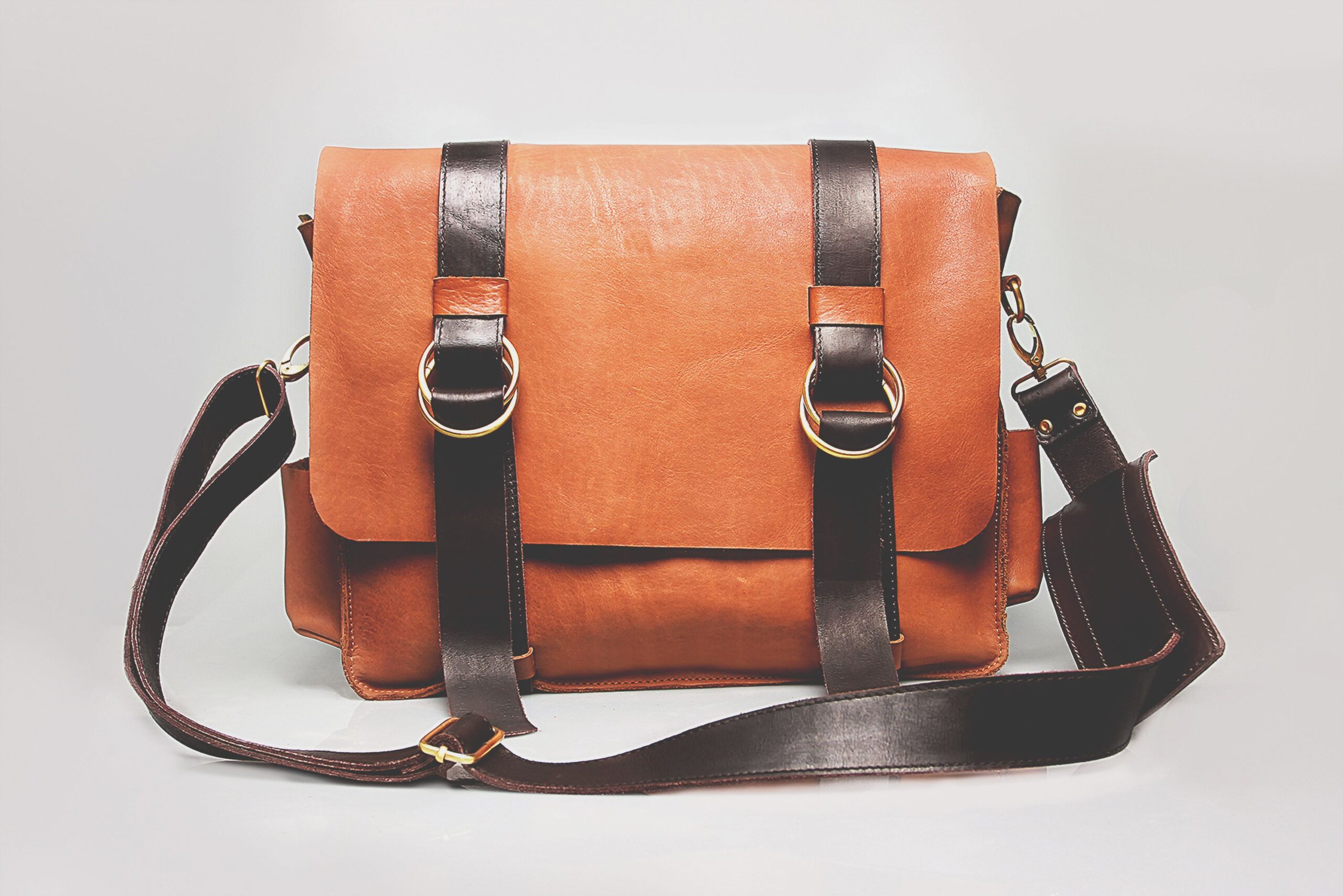
Mulberry started at a kitchen table in Somerset in 1971 and became Britain’s biggest leather goods manufacturer. It’s also spent the last few years losing money. Here’s what that means if you’re buying one of its bags today.
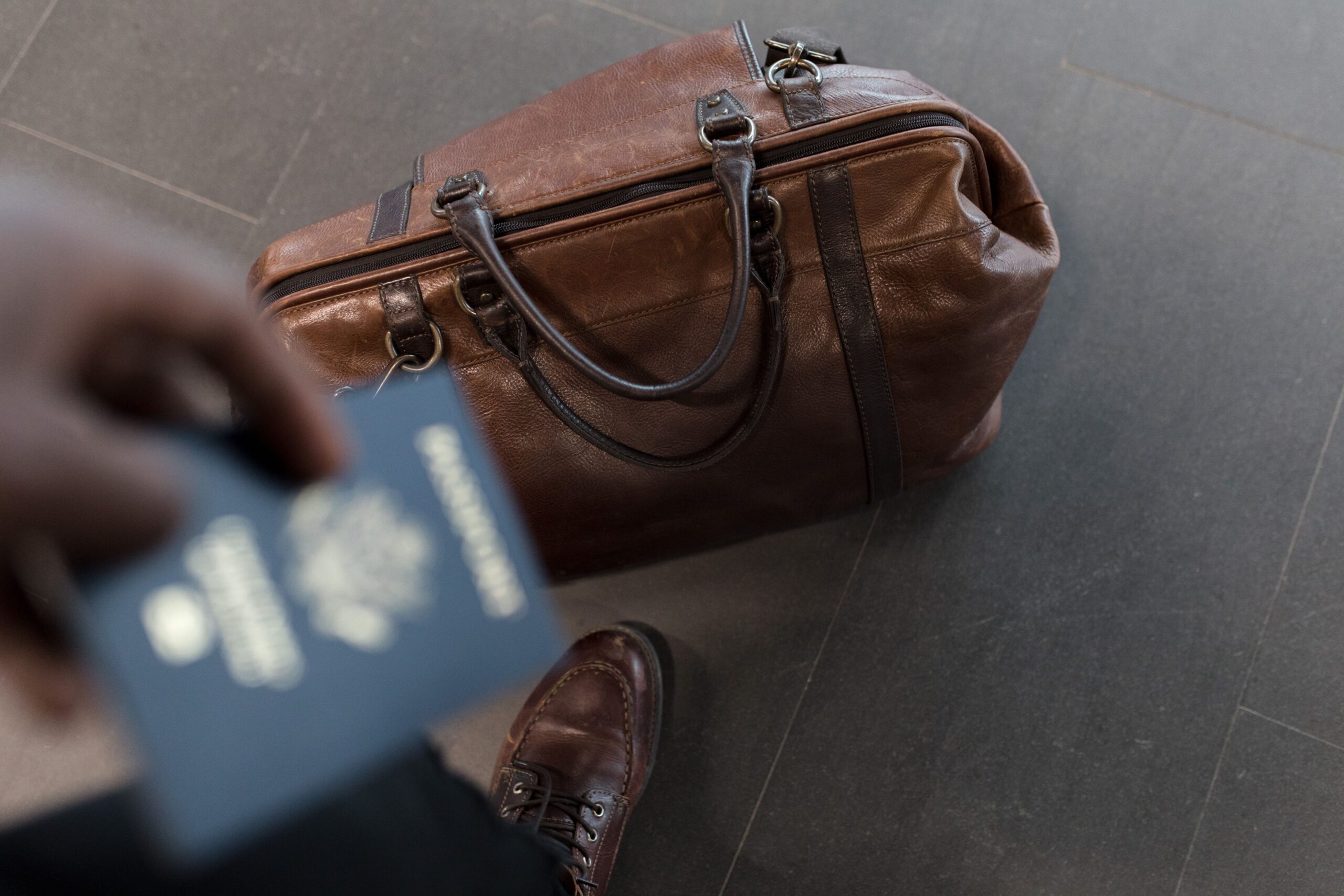
Founded on a napkin sketch in 2014, Bennett Winch went from two friends who couldn’t find the bag they wanted to a James Bond prop and the first luggage brand on Savile Row. Here’s what that trajectory means for the bags themselves.
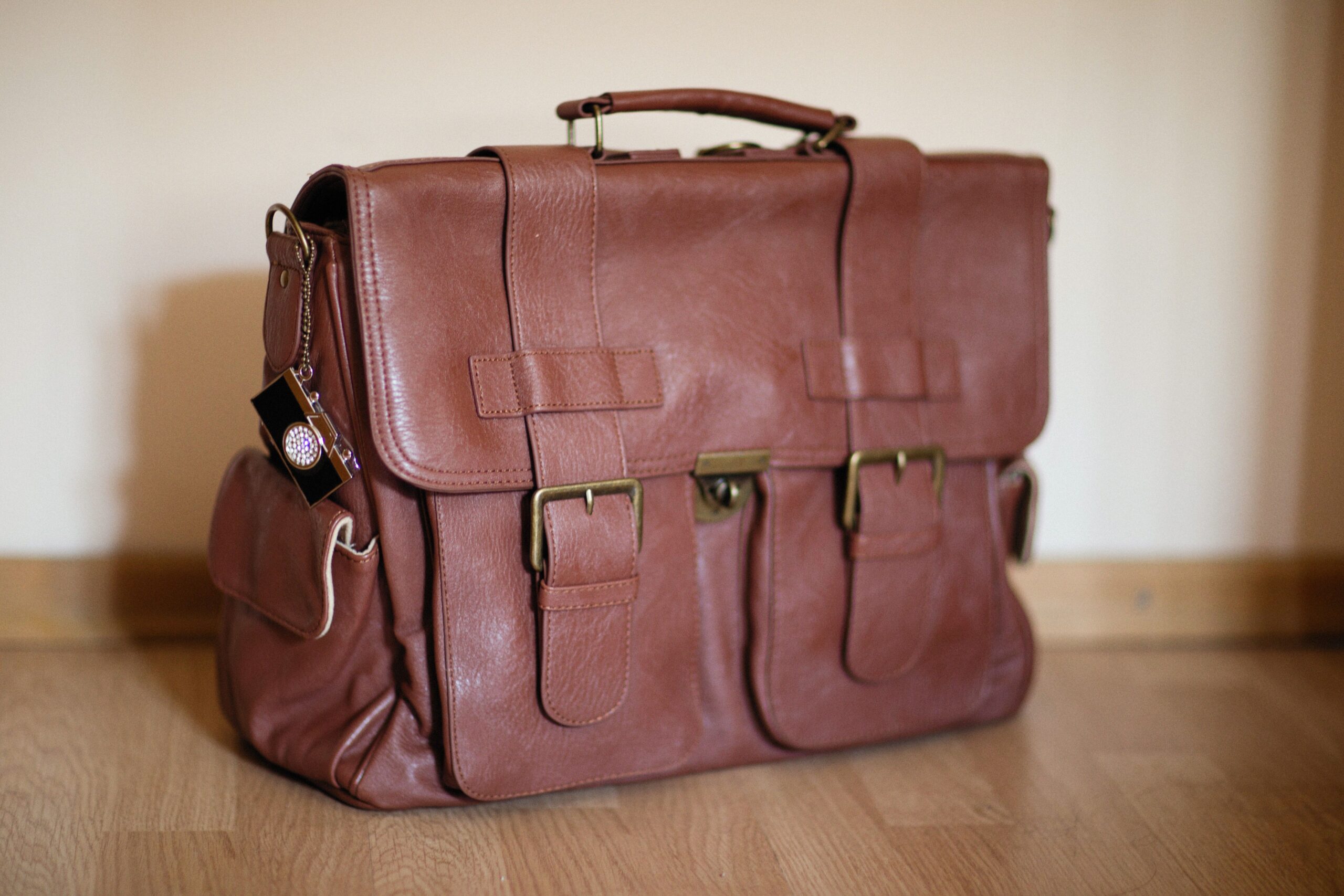
Tusting has been in the same family’s hands since 1875 — first as a tannery, then a leather importer, and only since the late 1980s as a bagmaker in its own right. Here’s what that history actually means for the bag you’d be buying.